10.9.2025
Food company Kraft Heinz has committed to removing all artificial colors from its U.S. portfolio by the end of 2027. The deadline comes a year later than the timeline set by federal regulators under President Donald Trump’s administration, which has targeted synthetic additives in food.
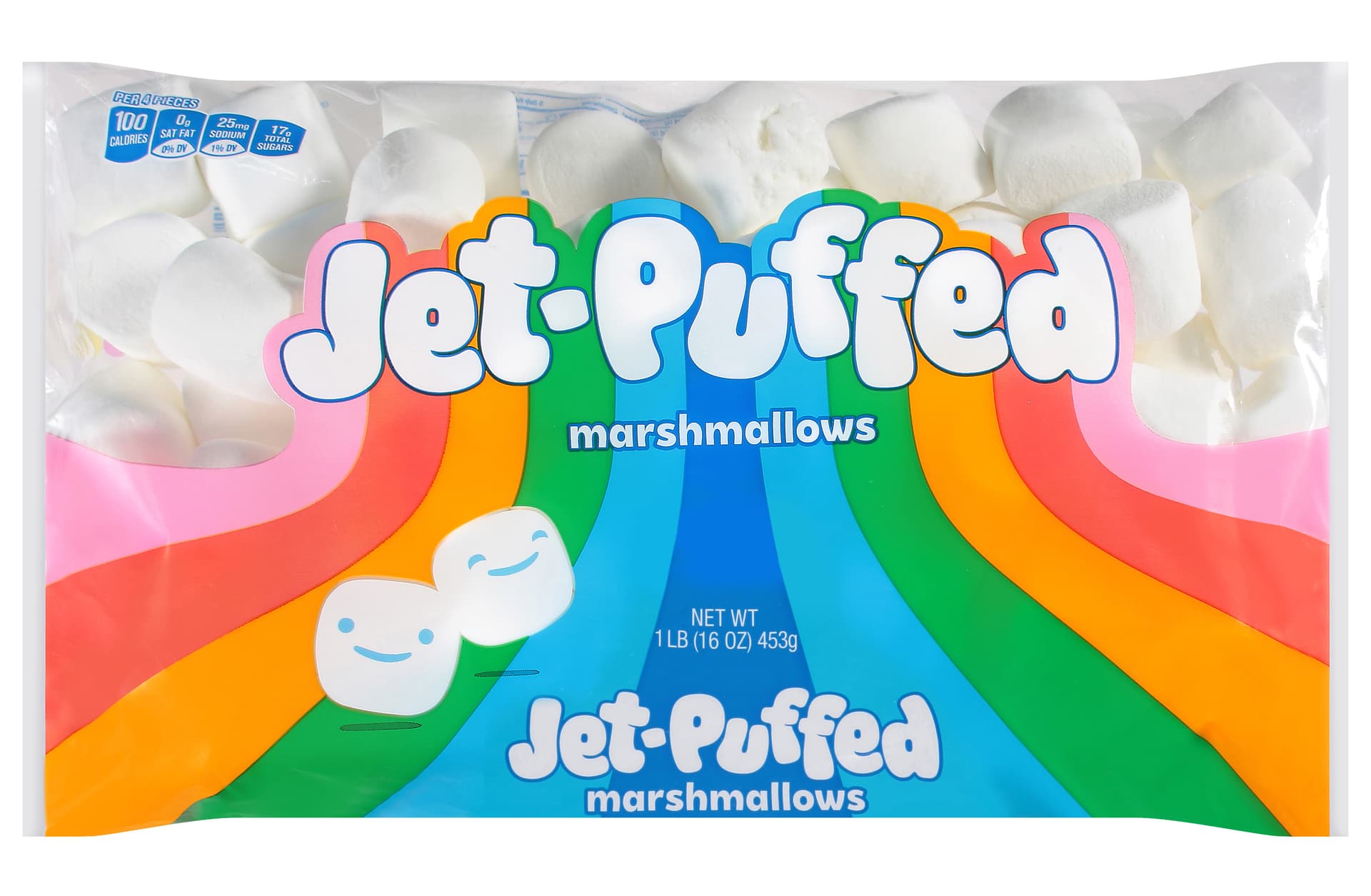
Artificial coloring is currently used in some of Kraft Heinz’s beverage and dessert brands, such as Kool-Aid, Jell-O gelatin, and Jet-Puffed marshmallows.
Context and Regulatory Reaction
This summer, the U.S. Food and Drug Administration (FDA) announced that most petroleum-based synthetic colorings would have to be phased out of foods on the U.S. market “by the end of next year.” The measure is part of Health Secretary Robert F. Kennedy Jr.’s initiative “Make America Healthy Again.” Critics warn, however, that the voluntary nature of the phase-out, regulated under the Federal Food, Drug, and Cosmetic Act, weakens its impact.
Company’s Statement
Pedro Navio, president of Kraft Heinz’s North American division, emphasized that the vast majority of the company’s products already use natural colors or none at all. He reminded that artificial dyes were removed from Kraft Mac & Cheese back in 2016, and Heinz ketchup is colored exclusively by tomatoes.
“We are targeting the end of 2027 to ensure the best possible quality, taste, and consumer experience,” the company said, acknowledging that some synthetic shades are difficult to source or replace, hence the need for a longer timeline.
Wider Food Industry Context
FDA commissioner Martin Makary praised Kraft Heinz for its commitment, noting that the agency is also addressing other food-related issues such as peanut allergies and insulin resistance.
Other food giants have announced similar moves. Tyson Foods plans to eliminate artificial colors by May 2025, while PepsiCo says its Lay’s and Tostitos chips will be free of artificial coloring by the end of this year.
Financial and Strategic Implications
Kraft Heinz was created in 2015 through the merger of Kraft Foods and H. J. Heinz Company, supported by 3G Capital and Berkshire Hathaway. Since then, the company’s stock value has fallen by more than 60%, and two Berkshire Hathaway representatives resigned from the board in August. The company stated it is considering “potential strategic transactions” to boost shareholder value, which analysts say could include selling parts of the business.
According to Kraft Heinz, nearly 90% of its U.S. net sales already come from products without FD & C synthetic dyes. For the remaining products, the colors will either be removed, replaced with natural alternatives, or new shades will be developed where natural options do not exist.
Source: Financial Times
News Related News
In the Czech market, Kraft Heinz holds a specific yet stable role. Heinz products&nbs
In 1869, Henry John Heinz founded a small sauce company in Pittsburgh. His first product was horseradish sauce, which he packaged in glass bottles – a
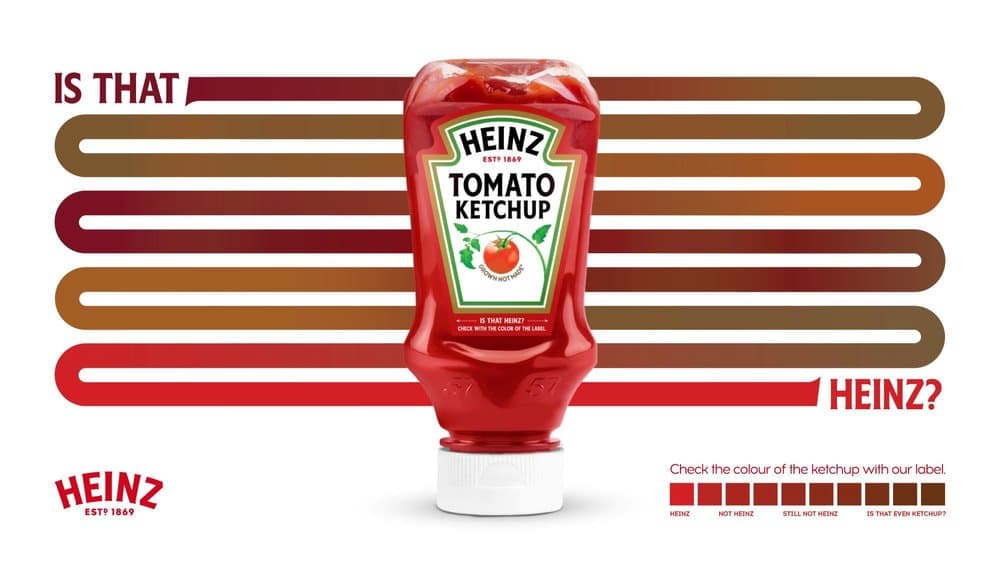
Heinz, the iconic ketchup producer, is introducing an innovative solution to a problem troubling visitors of restaurants and cafés. Some establishment
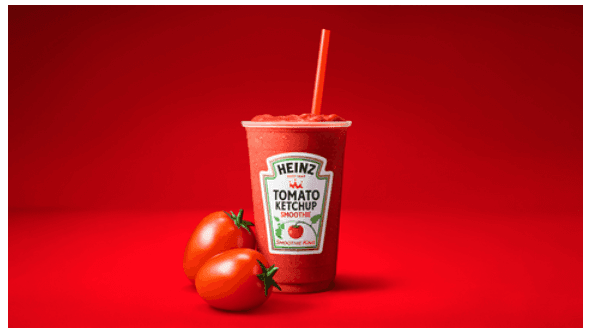
PITTSBURGH, CHICAGO, & DALLAS--(BUSINESS WIRE)-- While everyone knows the age-old question “is a tomato a fruit or a vegetable?” recently, thousan
The American food giant Kraft Heinz has announced a major structural change. After years of stagnation, the company has decided to split into two publ