10.9.2025
In 1869, Henry John Heinz founded a small sauce company in Pittsburgh. His first product was horseradish sauce, which he packaged in glass bottles – a bold innovation at the time, as customers could see what they were buying for the first time. Success came quickly. Soon, other canned foods were added, and especially Heinz Tomato Ketchup, which became one of the most famous products in the history of the food industry.
More than thirty years later, in 1903, James L. Kraft began his business in Chicago with just one horse and a wagon, delivering cheese. In 1914, he founded Kraft Foods, and only two years later he patented the process of making pasteurized cheese, which could be easily packaged and transported. This innovation opened the way for mass production and rapid expansion. During the 20th century, Kraft became one of the largest food producers in the United States, while Heinz expanded into Europe and Asia, with its ketchup becoming a global icon.
After more than a hundred years of independent operation, in March 2015, the stories of the two companies came together. The merger of Kraft Foods Group and H. J. Heinz Company was made possible by investments from 3G Capital and Warren Buffett’s Berkshire Hathaway. The transaction was completed on July 2, 2015, creating The Kraft Heinz Company, headquartered in both Pittsburgh and Chicago.
The merger resulted in the fifth-largest food and beverage company in the world and the third-largest in North America, with annual revenues of around $28 billion. Its portfolio includes dozens of globally recognized brands – from Heinz Ketchup and Kraft Mac & Cheese to Oscar Mayer, Philadelphia, and Capri Sun. Eight of these brands are worth more than $1 billion each.
Today, Kraft Heinz is one of the leaders in the global food industry. The company remains true to its roots – Heinz in Pittsburgh and Kraft in Chicago – while looking to the future. It invests in sustainability, digitalization, innovation, and in expanding its range of healthier and non-alcoholic products.
News Related News
In the Czech market, Kraft Heinz holds a specific yet stable role. Heinz products&nbs
Food company Kraft Heinz has committed to removing all artificial colors from its U.S. portfolio by the end of 2027. The deadline comes a year later t
Heinz, the iconic ketchup producer, is introducing an innovative solution to a problem troubling visitors of restaurants and cafés. Some establishment
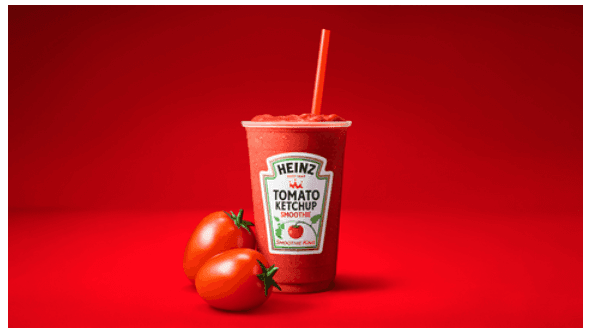
PITTSBURGH, CHICAGO, & DALLAS--(BUSINESS WIRE)-- While everyone knows the age-old question “is a tomato a fruit or a vegetable?” recently, thousan
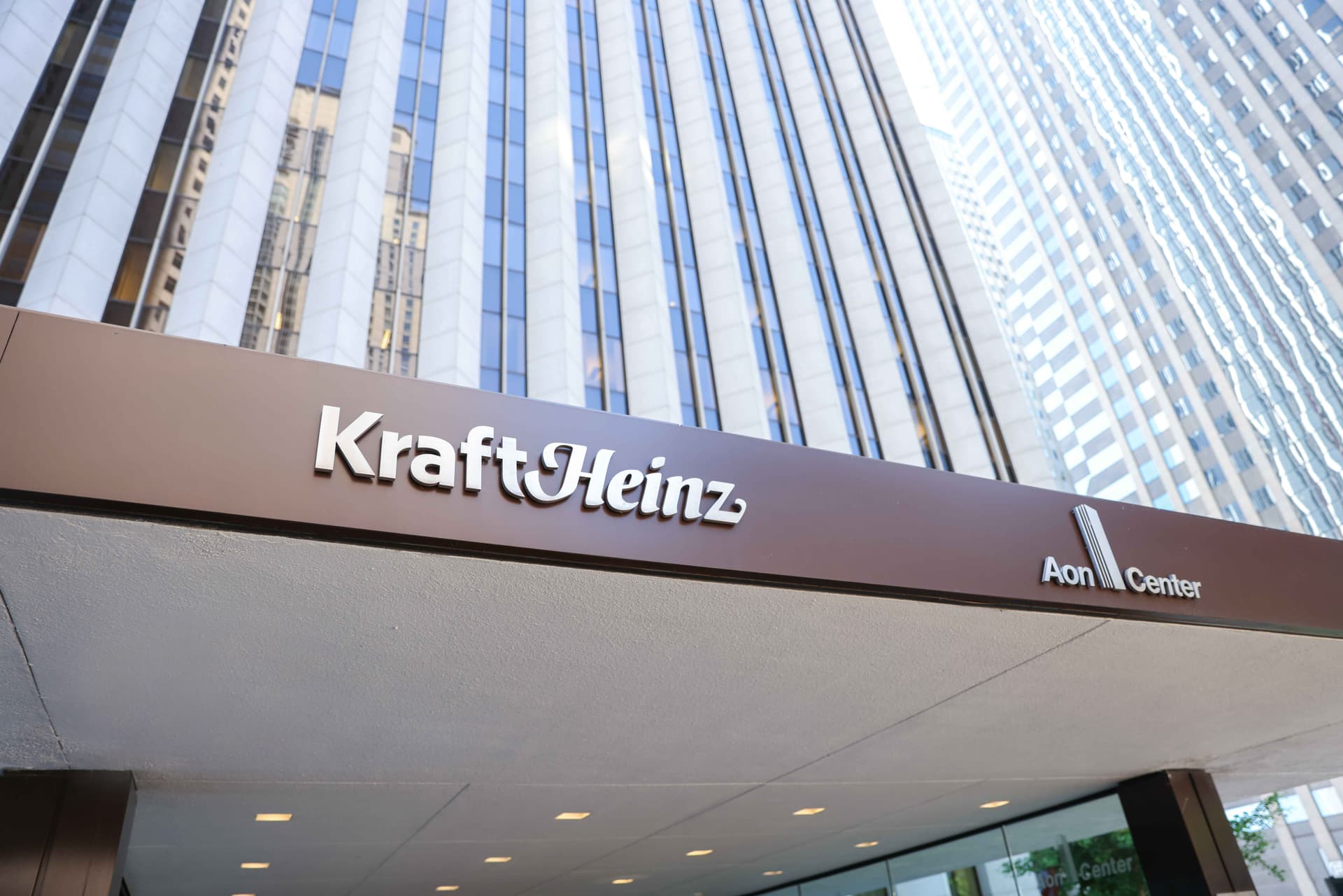
The American food giant Kraft Heinz has announced a major structural change. After years of stagnation, the company has decided to split into two publ